

Module 2 - Vocal Mastery | If you master this section, you'll crush it.
41 Lessons
1
2.0 The Reveal
2

2.1.0 Rate of Speech
3
2.1.1 Rate of Speech Support Video 1 - Accents
4
2.1.2 Rate of Speech Support Video 2 - Transitions = Engagement
5
2.1.3 Rate of Speech Support Video 3 - Default Rate = Less Engagement
6
2.2.0 Volume
7
2.2.1 Volume Support Video - Low Default Volume Example
8
2.2.2 Volume Support Video - Transformation With A Small Change
9
2.2.3 Volume Support Video - The Power of Variety In Action!
10
2.2.4 Q&A - Energising Your Sentences
11
2.2.5 Q&A - Using Volume in different contexts
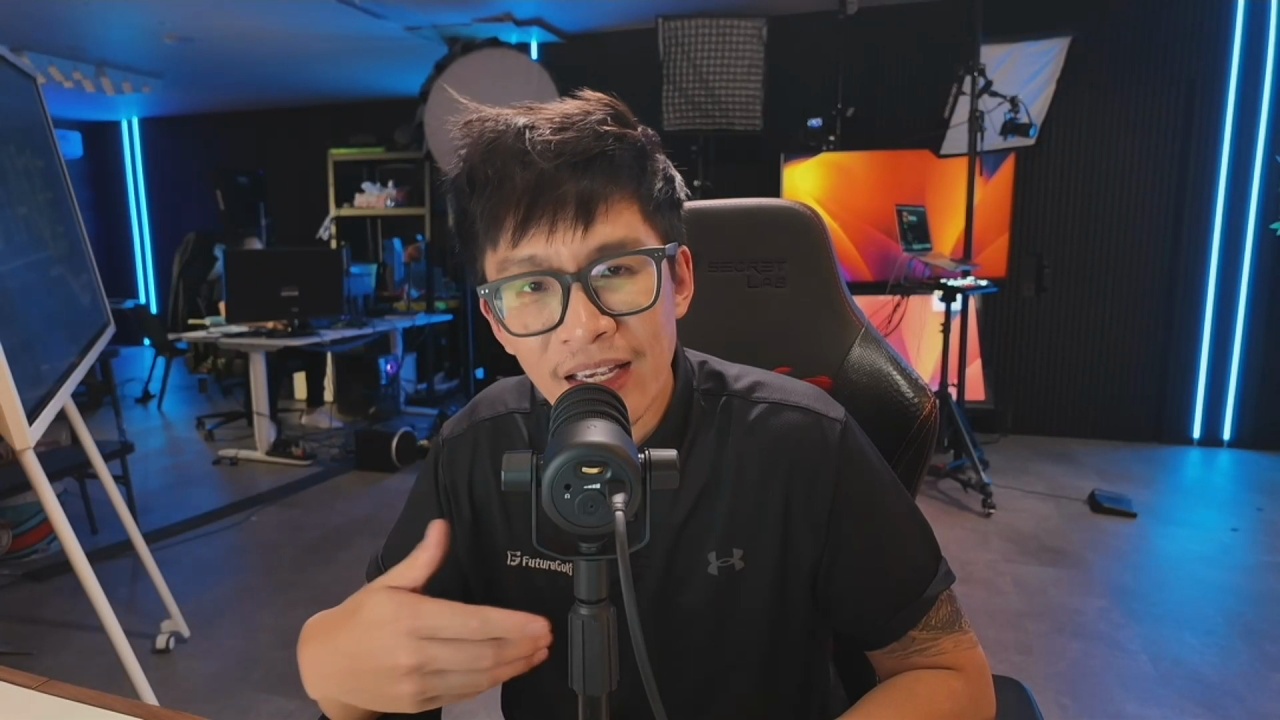
2.2.6 Q&A - Tips on Increasing Volume
13

2.2.7 Q&A - Adding more depth to your voice
14
2.3.0 Pitch & Melody
15
2.3.1 Pitch & Melody Support Video - An Amazing Exercise to Increase Vocal Variety!
16
2.3.2 Pitch & Melody Support Video - Transformation Example
17
2.3.3 Pitch & Melody Support Video - Variety Example (Amazing Melody)
18
2.3.4 Q&A - How to avoid sounding arrogant
19
2.3.5 Q&A - Using pitch to portray confidence
20

2.3.6 Q&A - Advice on vocal classes
21
2.4.0 Tonality
22
2.4.1 Tonality Support Video - Transformation Example, With and Without Tonality
23
2.4.2 Tonality Support Video - Make Learning Fun, Try this Exercise!
24
2.4.3 Tonality Support Video - Transformation, Breaking Out Of The Comfort Zone!
25
2.5.0 Pause
26
2.5.1 Pause Support Video - Small Changes = Transformation
27
2.5.2 Pause Support Video - Vinh Example Ew.
28
2.5.3 Pause Support Video - You're Going to HATE Me After This..
29
2.5.4 Q&A - Using The Pause to organize my thoughts
30
2.5.5 Q&A - It feels weird when I pause
31
2.5.6 Q&A - Dealing with interrupters when you pause
32
2.6 Self Awareness Technique
33
2.6.1 Q&A - Practicing your foundations
34
2.6.2 Q&A - Situational Awareness
35
2.6.3 Q&A - What's your 80 - 20
36
2.6.4 Q&A - Tips on presenting scripted content
37
2.6.5 Q&A - When to practice
38

2.6.6 Q&A - How to make it a habit
39
2.7 Powerful Rapport Technique
40
2.7.1 Q&A - Matching and mirroring to gain trust
41
2.7.2 Q&A - When to apply these foundations
Next Module
2.2.6 Q&A - Tips on Increasing Volume
Module 2 - Vocal Mastery | If you master this section, you'll crush it.
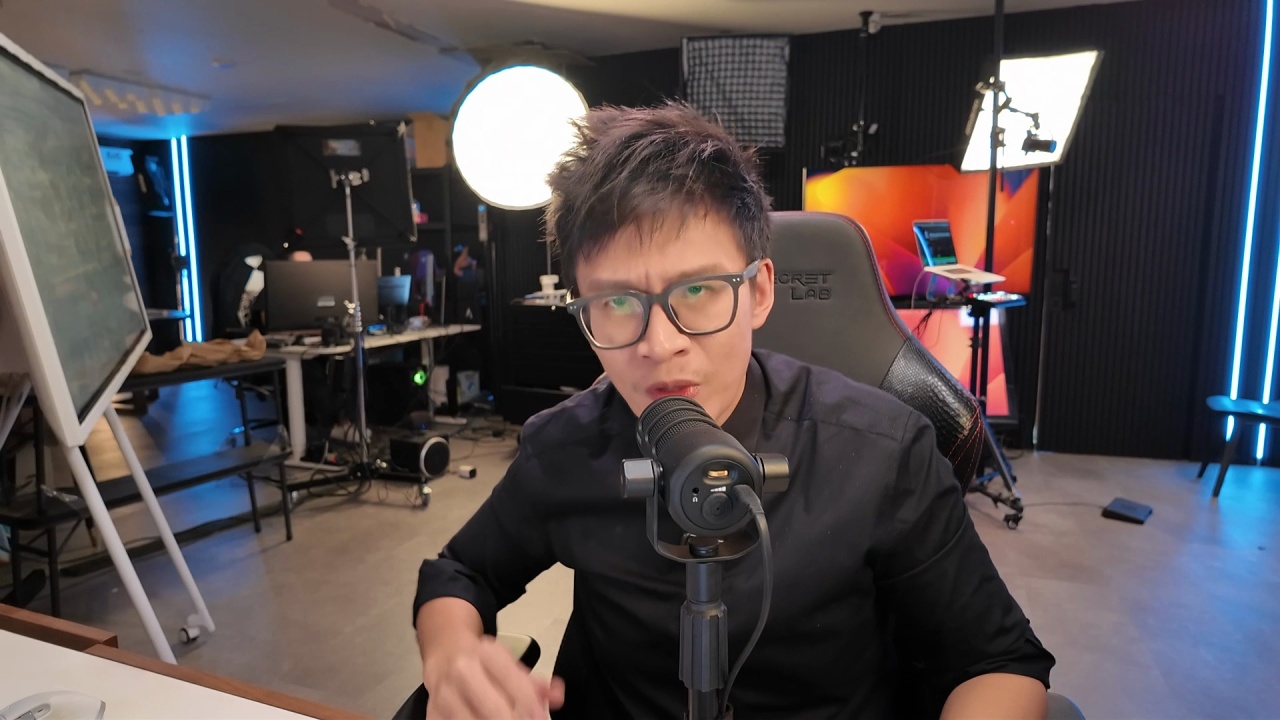
In this video, I address a question about how to project your voice effectively in loud environments. I explain that many people struggle with this because they don't open their mouths wide enough, which limits their volume. Additionally, there's often a discrepancy between how loud people think they are speaking and how loud they actually are. I advise practicing with an internal volume gauge set higher than usual and checking with others to see if your perceived loudness matches reality. This approach helps recalibrate your internal gauge, making it easier to project your voice appropriately in various settings.
Comments 46
Show MoreInstructor

Vinh Giang
Instructor
If you are still unsure of who I am at this point, now I am truly offended! Haha I hope you enjoy this course and please remember the following quote... "Don't be so attached to who you are in the present, that you don't give the future version of you a chance!"
Michelle Thompson
I am a chameleon then lol I can be quiet and loud. However, I come across as introverted, I'm very much introverted. My takeaways so far have been increasing volume, practice 1-0 count for 5 mins a day, drop my jaw, and practice at 5 and ask some friends for feedback.
Michael
not enough volume isn't my problem. It seems normal to me but everyone says I'm too loud and why are you so loud.
It's not intentional but it's so hard to get it right
Abdullah
What if im the opposite, I mean im loud normally and when i try to lower my voice I feel like people dont hear me, even some ask me why do you scream😅
Alia
my perception of my internal measure of volume is ok and fine , while my mum and brother said I am too loud, but going more silent seems like whispering to me and if I am cut off air..so I keep my volume but with more inner balance, what does it mean if my internal measure fels fine and ok? they perveive it as too loud
Maria Kounenaki
How do you fix the gage?