

Module 2 - Vocal Mastery | If you master this section, you'll crush it.
41 Lessons
1
2.0 The Reveal
2
2.1.0 Rate of Speech
3
2.1.1 Rate of Speech Support Video 1 - Accents
4
2.1.2 Rate of Speech Support Video 2 - Transitions = Engagement
5
2.1.3 Rate of Speech Support Video 3 - Default Rate = Less Engagement
6
2.2.0 Volume
7
2.2.1 Volume Support Video - Low Default Volume Example
8
2.2.2 Volume Support Video - Transformation With A Small Change
9
2.2.3 Volume Support Video - The Power of Variety In Action!
10
2.2.4 Q&A - Energising Your Sentences
11
2.2.5 Q&A - Using Volume in different contexts
12
2.2.6 Q&A - Tips on Increasing Volume
13
2.2.7 Q&A - Adding more depth to your voice
14
2.3.0 Pitch & Melody
15
2.3.1 Pitch & Melody Support Video - An Amazing Exercise to Increase Vocal Variety!
16
2.3.2 Pitch & Melody Support Video - Transformation Example
17
2.3.3 Pitch & Melody Support Video - Variety Example (Amazing Melody)
18
2.3.4 Q&A - How to avoid sounding arrogant
19
2.3.5 Q&A - Using pitch to portray confidence
20
2.3.6 Q&A - Advice on vocal classes
21
2.4.0 Tonality
22
2.4.1 Tonality Support Video - Transformation Example, With and Without Tonality
23
2.4.2 Tonality Support Video - Make Learning Fun, Try this Exercise!
24
2.4.3 Tonality Support Video - Transformation, Breaking Out Of The Comfort Zone!
25
2.5.0 Pause
26
2.5.1 Pause Support Video - Small Changes = Transformation
27
2.5.2 Pause Support Video - Vinh Example Ew.
28
2.5.3 Pause Support Video - You're Going to HATE Me After This..
29
2.5.4 Q&A - Using The Pause to organize my thoughts
2.5.5 Q&A - It feels weird when I pause
31
2.5.6 Q&A - Dealing with interrupters when you pause
32
2.6 Self Awareness Technique
33
2.6.1 Q&A - Practicing your foundations
34
2.6.2 Q&A - Situational Awareness
35
2.6.3 Q&A - What's your 80 - 20
36
2.6.4 Q&A - Tips on presenting scripted content
37
2.6.5 Q&A - When to practice
38

2.6.6 Q&A - How to make it a habit
39
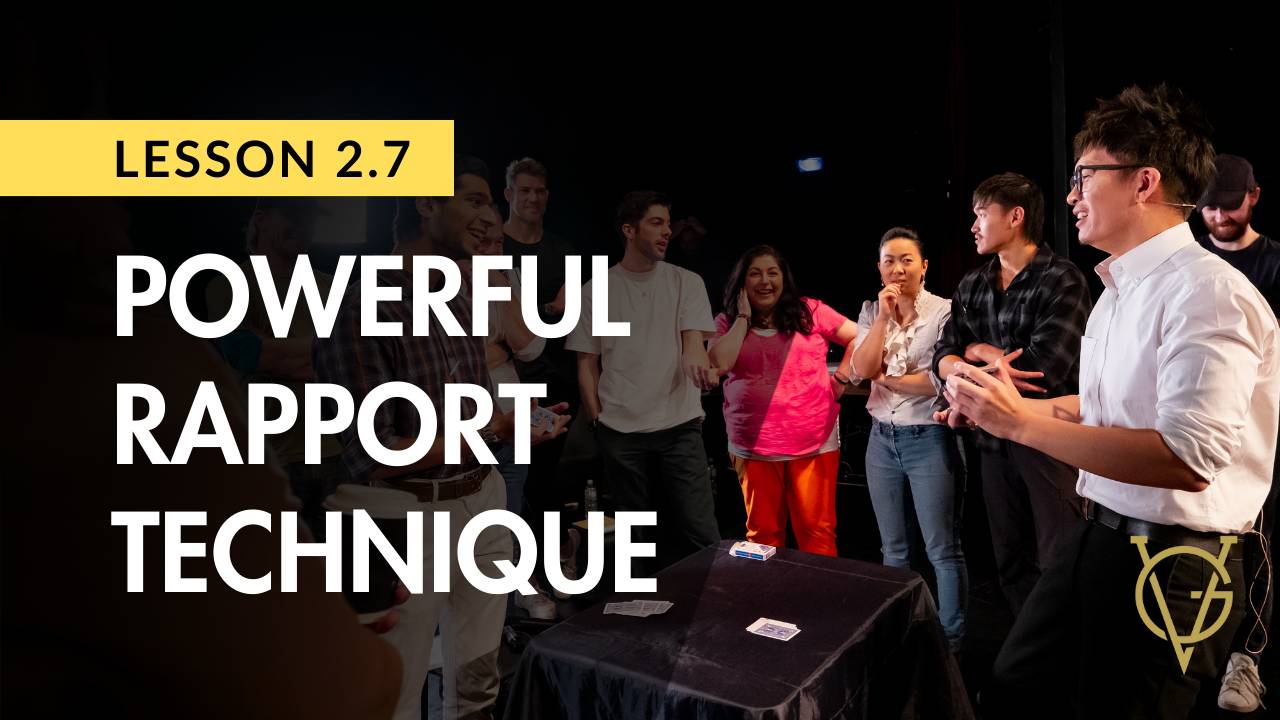
2.7 Powerful Rapport Technique
40
2.7.1 Q&A - Matching and mirroring to gain trust
41
2.7.2 Q&A - When to apply these foundations
Next Module
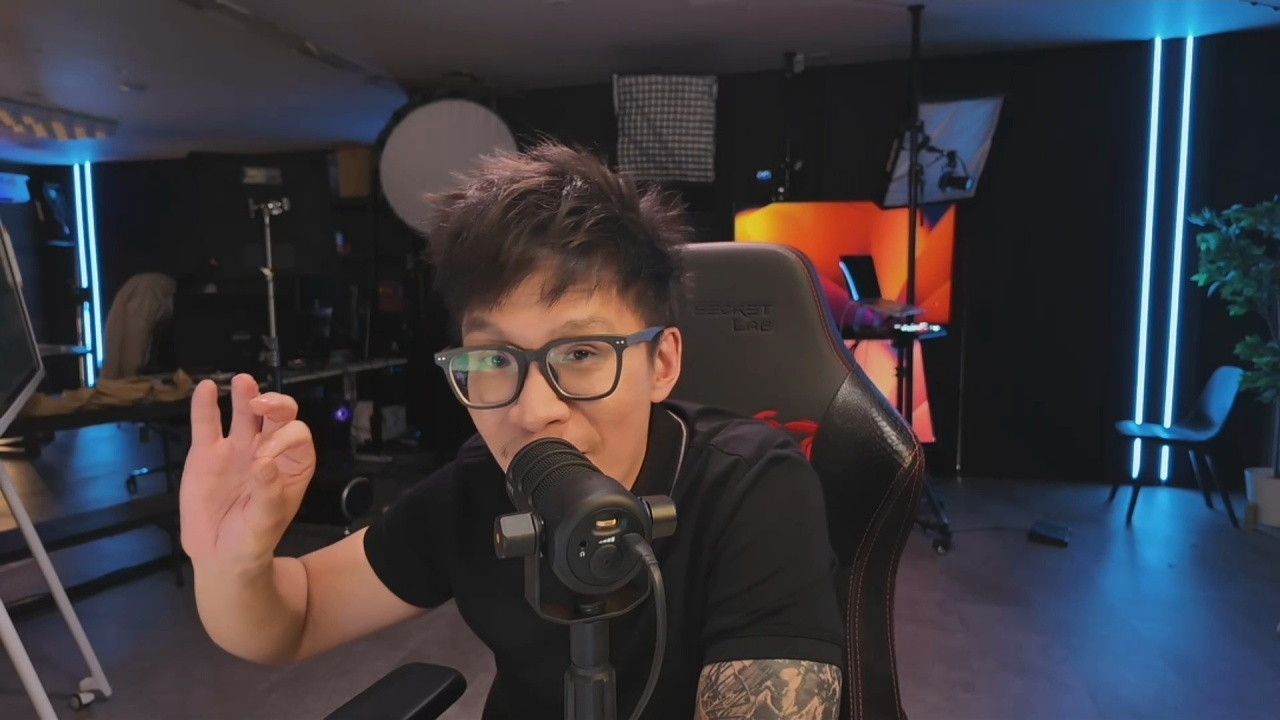
2.5.5 Q&A - It feels weird when I pause
Module 2 - Vocal Mastery | If you master this section, you'll crush it.
In this video, I address the question of how to pause without feeling weird during conversations. I emphasize that pausing before responding isn't weird but an unfamiliar feeling that becomes comfortable with practice. I illustrate that taking a moment to think about the question not only enhances the quality of your answer but also shows respect and thoughtfulness to the listener. It's all about changing your perception of the pause—seeing it as an opportunity to gather your thoughts rather than a moment of awkward silence. This approach can significantly elevate the way your responses are perceived, making them appear more considered and valuable.
Comments 19
Show MoreInstructor

Vinh Giang
Instructor
If you are still unsure of who I am at this point, now I am truly offended! Haha I hope you enjoy this course and please remember the following quote... "Don't be so attached to who you are in the present, that you don't give the future version of you a chance!"
Bumpa
Thanks!
Trang
Wow, thank you so much for bringing this up Vinh! Now I realized most of the time, I started answering before other people even finish their questions (because I knew/or at least I think I knew what they would ask before they finish asking). I genuinely thought that would make people think I understand them...but well...I was wrong :). From now, I'd try to slow down, take a pause and really process the answer before giving it to give better answer and for other to know I take their questions thoughtfully.
Nathaniel
LOL. that final joke was priceless
Kamohelo
Just curious can I still say I need time to respond. What happens if it is an urgent person. I tend to like to take a step away and think what the best option because I tend to think different scenario and need to filter out the final answer.
Jorge Velez
But what happens when you are in a job interview? Sometimes, I have been asked to describe a scenario where I have been involved in _____ (Fill in the blanks), how did I handle, what did I learn from it, and/or what was the outcome.
Depending on that type of behavioral question, I quickly put something together that maybe at the moment I thought was the right choice. Of course, I later on go back and said to myself that I should have chosen a different scenario, however, it may be too late because job interviews normally are between 30 minutes to an hour (at an average).
So my question is how can someone think under pressure and answer a like question like that? Is like I feel that I have a few seconds to go through my memories and choose a memory that best fits the answer.